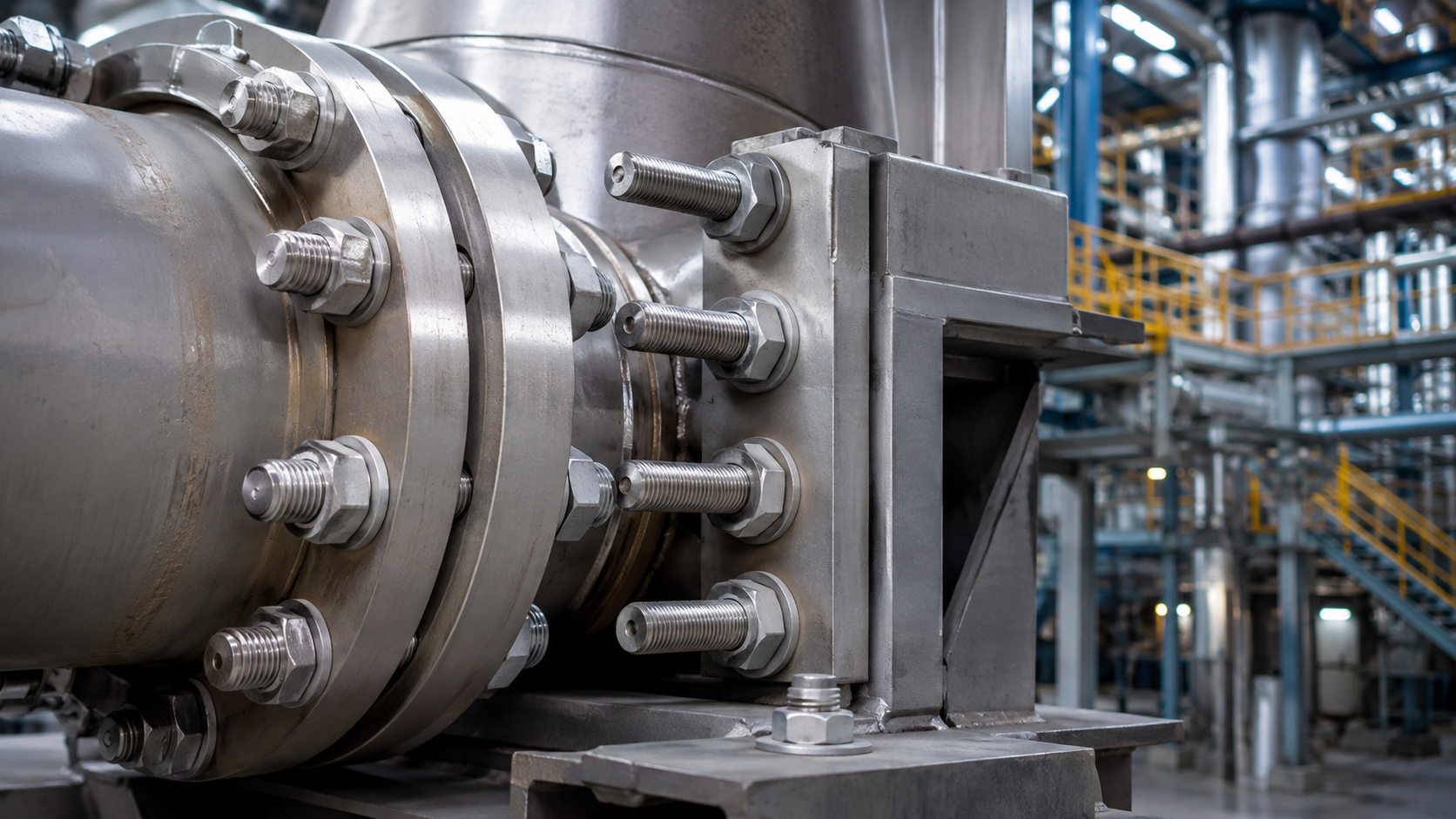
High Mechanical Strength
Duplex stainless steels provide substantially higher proof strength than conventional austenitic grades, supporting high-load bolting and efficient structural designs.
Nickel Alloy
TA2 / ASTM Grade 2 / TC4 / ASTM Grade 5 / TB3
Precipitation-Hardening Stainless Steel
17-4PH / Type 630 / UNS S17400
Duplex & Super Duplex Stainless Steel
Super Austenitic Stainless Steel
904L / 254 SMO / Alloy 926
High-Temperature & Stabilized Austenitic Stainless Steel
304H / 304N / 316Ti / 321 / 347 / 347H
High-strength duplex stainless steel bolts, stud bolts and custom fasteners engineered for chloride-bearing, chemical and high-load industrial applications.
Duplex 2304 and 2205 fasteners for moderate-to-demanding corrosion and high-load applications.
Duplex microstructures combine elevated proof strength with strong resistance to chloride stress corrosion cracking.
Standard and drawing-based duplex fasteners manufactured to project-specific dimensions and requirements.
Duplex stainless steels have a mixed austenitic-ferritic microstructure that provides a combination of high mechanical strength, good toughness and strong corrosion resistance. Compared with conventional austenitic stainless steels, duplex grades can provide approximately twice the proof strength together with improved resistance to chloride stress corrosion cracking, pitting and crevice corrosion. Duplex 2304 is a lean duplex grade designed for moderate corrosion and high-strength structural service. Duplex 2205 is a more highly alloyed standard duplex family used in more demanding chloride, chemical, oil and gas environments. The exact UNS grade—S31803 or S32205—should always be identified in the purchase specification and MTC.
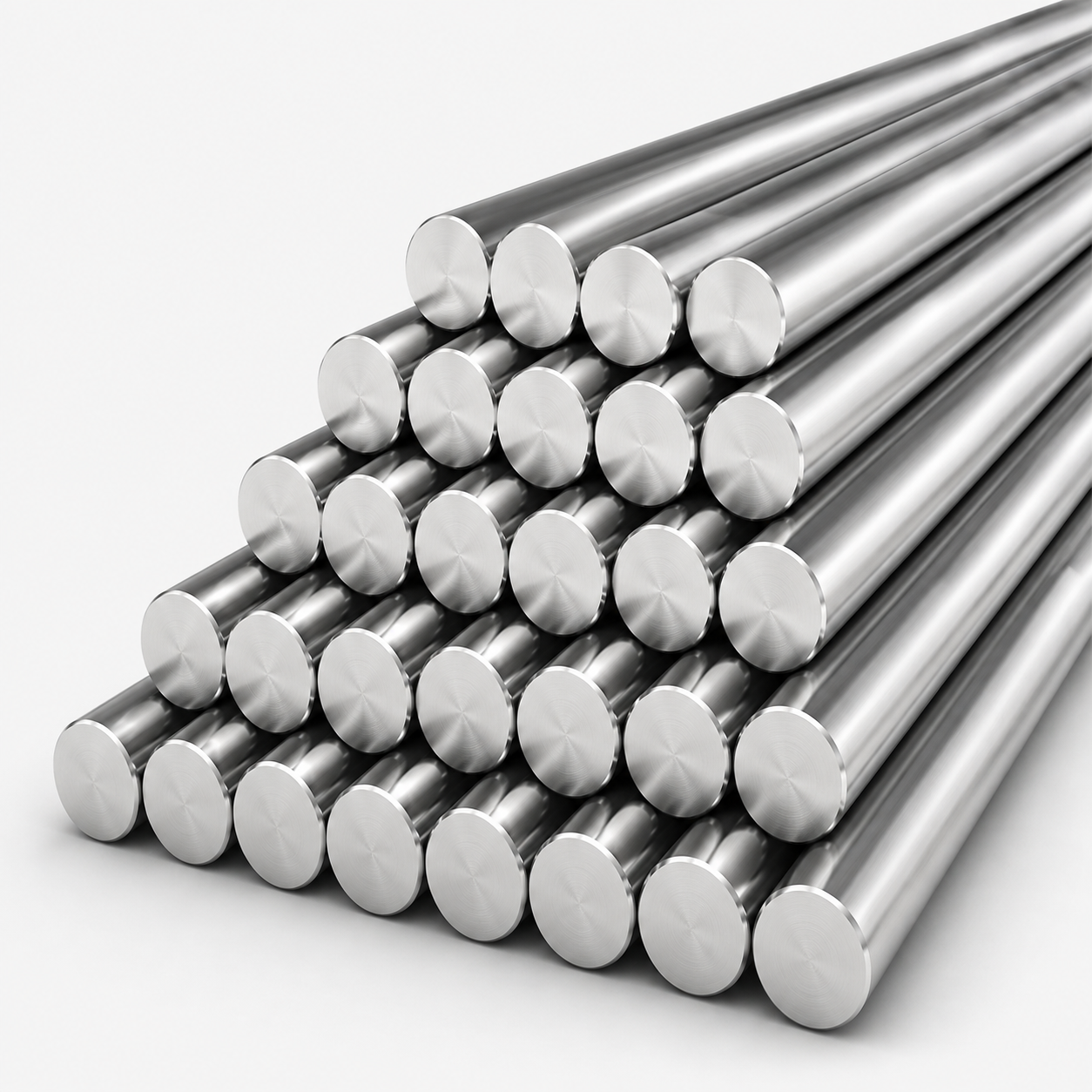
Duplex stainless steel combines high strength, chloride resistance and long-term durability for demanding industrial fastening systems.
Duplex stainless steels provide substantially higher proof strength than conventional austenitic grades, supporting high-load bolting and efficient structural designs.
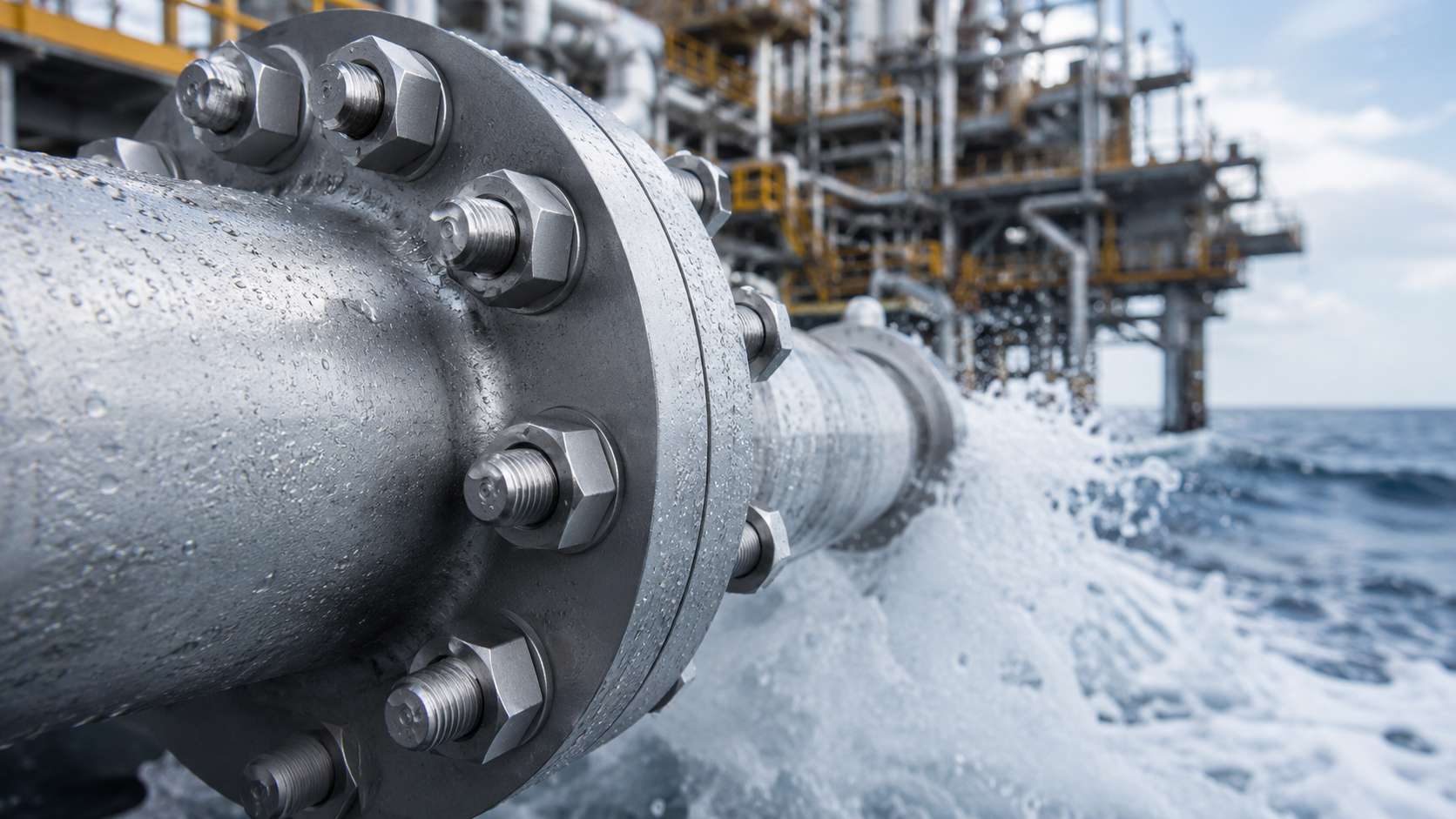
The duplex microstructure provides strong resistance to stress corrosion cracking in chloride-bearing environments where conventional stainless steels may be more vulnerable.
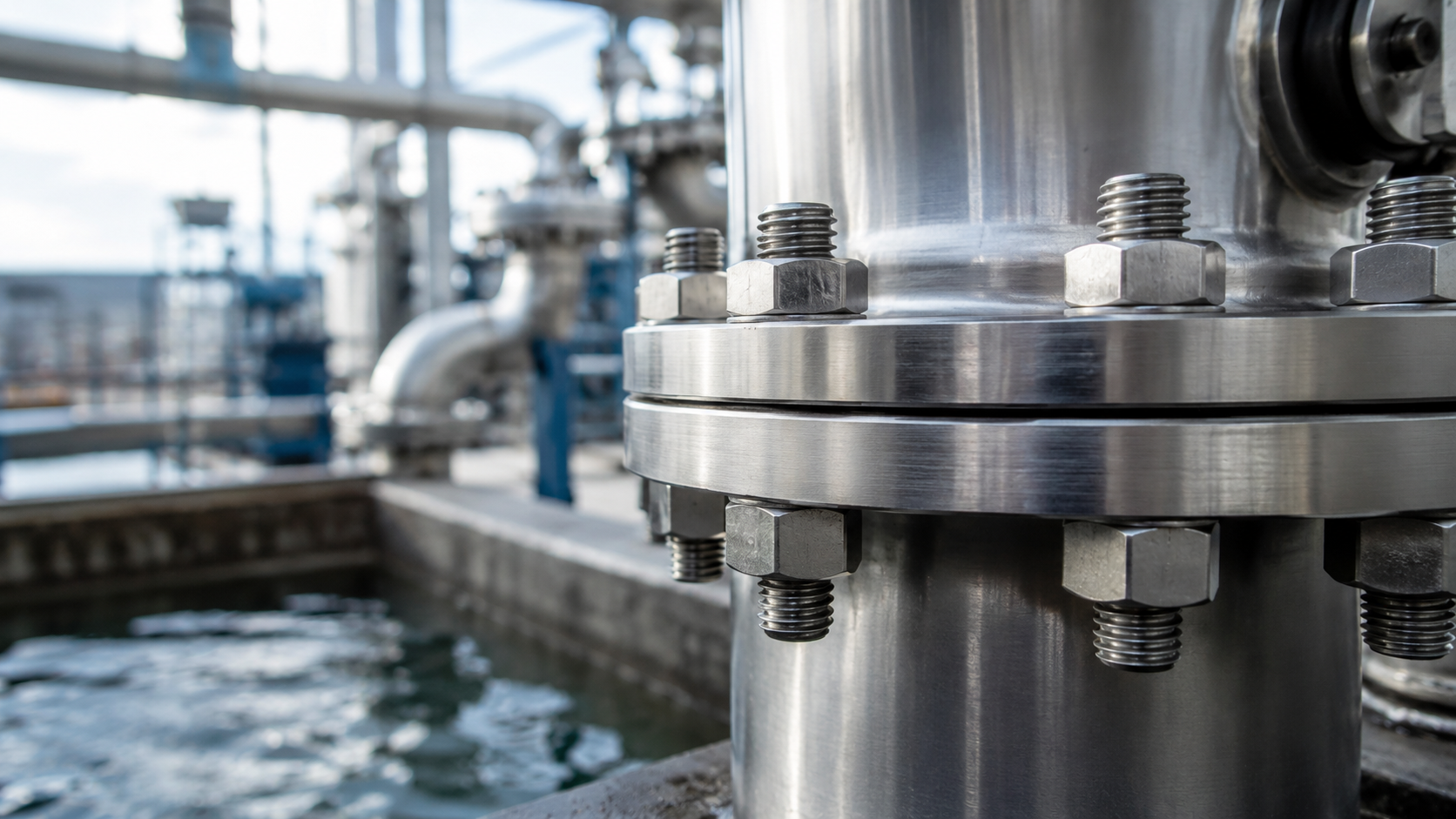
Chromium, molybdenum and nitrogen improve resistance to localized corrosion in seawater, brackish water and chemical process environments.
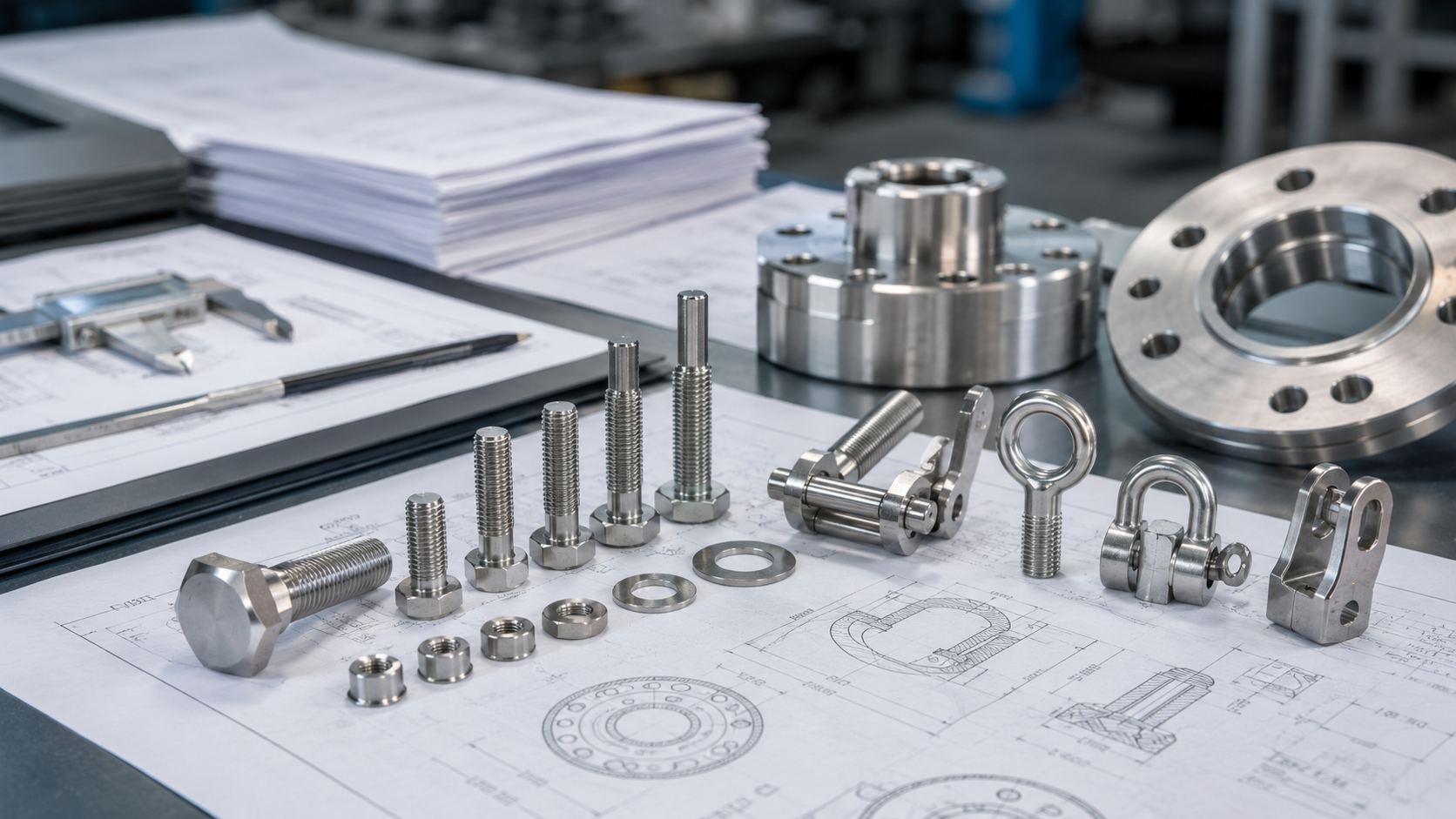
Duplex 2304 and the 2205 family provide different balances of alloy content, corrosion performance, strength and product-form specification.
Duplex 2304 and the 2205 family cover different requirements for high strength, chloride resistance and corrosion-resistant industrial fastening.
Desalination, Structural components, Storage tanks, Heat exchangers
Oil & gas, Chemical processing, Offshore equipment, Marine systems
Additional lean and standard duplex grades can be reviewed according to customer drawings, project specifications and actual service conditions.
Compare the principal alloying elements of Duplex 2304 and 2205 and how they influence strength and corrosion performance.
| GRADE | CR (%) | NI (%) | MO (%) | N (%) | C (%) | OTHER (%) |
|---|---|---|---|---|---|---|
| Duplex 2304 / S32304 | 22.5 | 4.5 | 0.3 | 0.100 | 0.030 max | Cu 0.30, Mn 2.0 max, Si 1.0 max |
| Duplex 2205 — Nominal Reference | 22.5 | 5.5 | 3.2 | 0.180 | 0.030 max | Mn 2.0 max, Si 1.0 max |
Reference values are provided for general comparison only. The governing material specification and batch MTC take precedence for production and acceptance.
Duplex grades provide substantially higher proof strength than conventional austenitic stainless steels while retaining useful ductility.
| GRADE / CONDITION | TENSILE STRENGTH (MPa) | 0.2% YIELD STRENGTH (MPa) | ELONGATION (%) |
|---|---|---|---|
| 2304 / S32304 — Annealed Bar Reference | 600 min | 400 min | 25 min |
| 2205 / S31803 — Annealed Bar Reference | 620 min | 448 min | 25 min |
| 2205 / S32205 — Annealed Bar Reference | 655 min | 450 min | 25 min |
Mechanical properties depend on product form, dimensions, material condition, heat treatment and the applicable specification. The purchase specification and actual inspection certificate shall govern the order.
Choose Duplex 2304 for moderate corrosion and structural service, and 2205 for more demanding chloride and chemical environments.
| Application Requirement | Recommended Grade |
|---|---|
| Moderate corrosion and structural service | Duplex 2304 / S32304 |
| Lean-alloy, high-strength duplex solution | Duplex 2304 / S32304 |
| General chloride-bearing environments | Duplex 2205 |
| Chemical processing and heat exchangers | Duplex 2205 |
| Oil & gas and offshore equipment | Duplex 2205, subject to project requirements |
| Sour-service application | Exact 2205 grade and condition must comply with NACE / ISO 15156 and project requirements |
| ASTM A182 forged material requirement | S32304/F68, S31803/F51 or S32205/F60, as specified |
| Severe seawater or highly aggressive chloride service | Evaluate a suitable Super Duplex grade |
Duplex fasteners are available in standard and custom configurations for offshore, chemical, marine and high-load industrial applications.
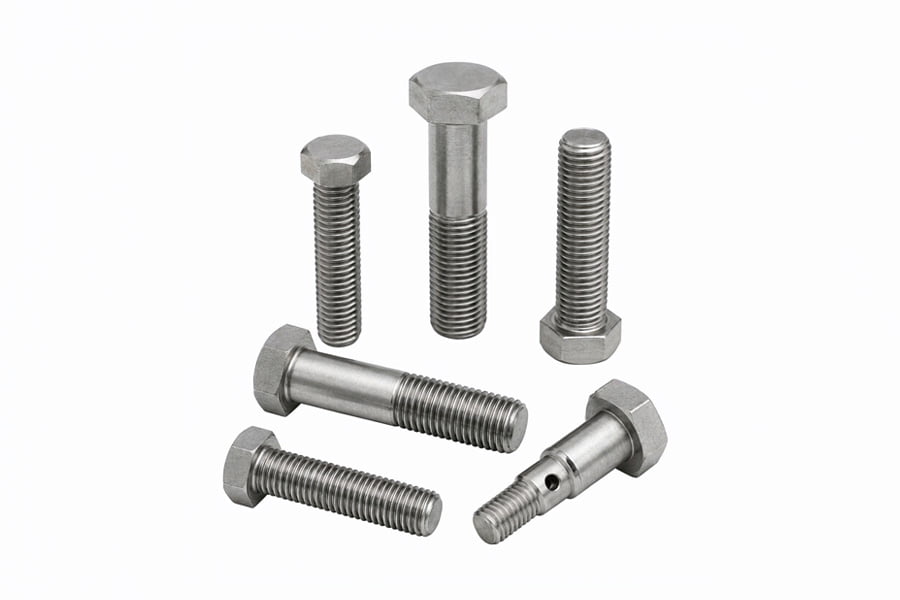
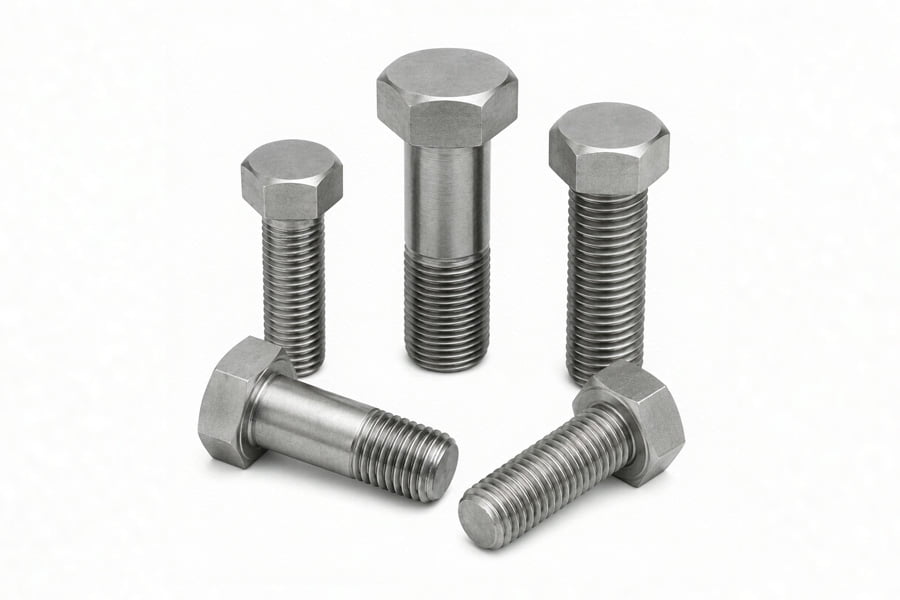
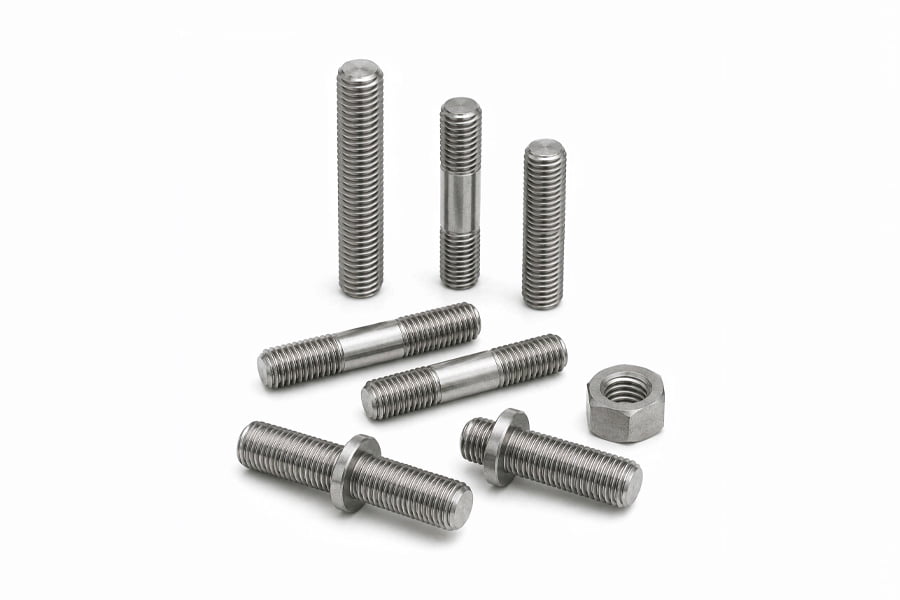
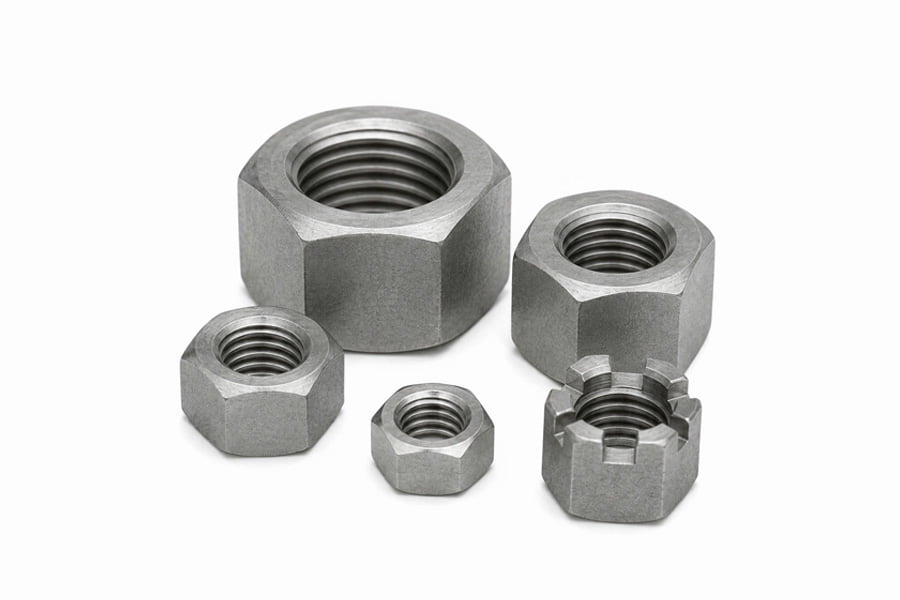
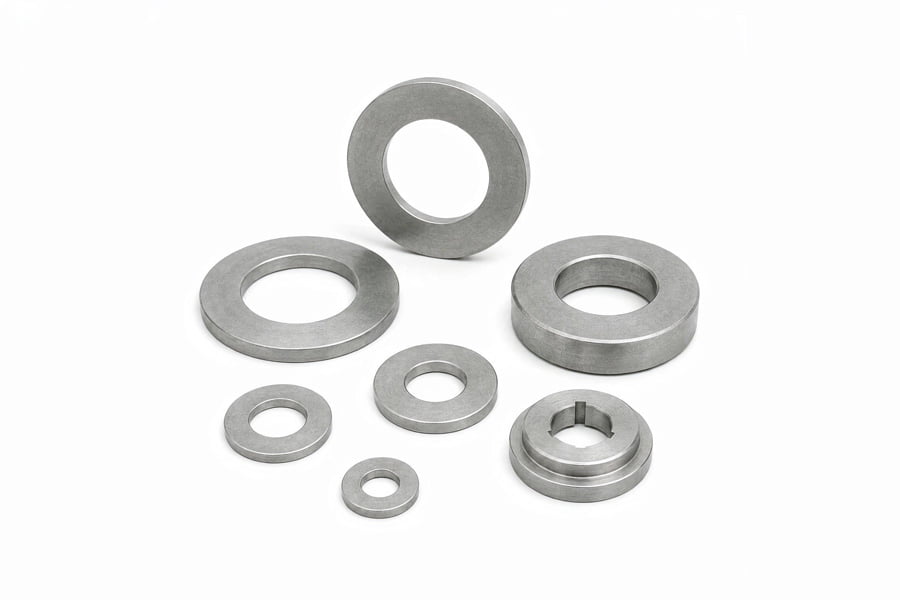
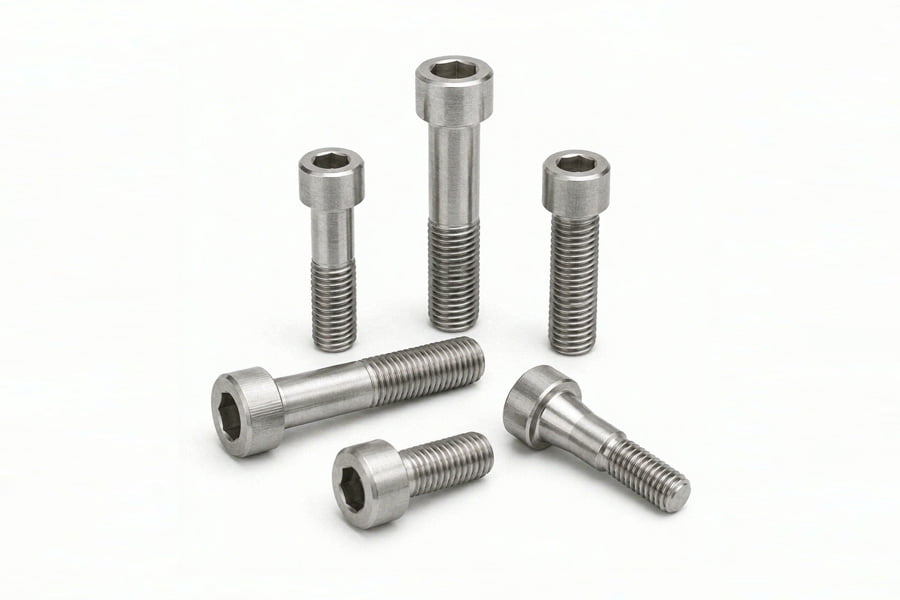
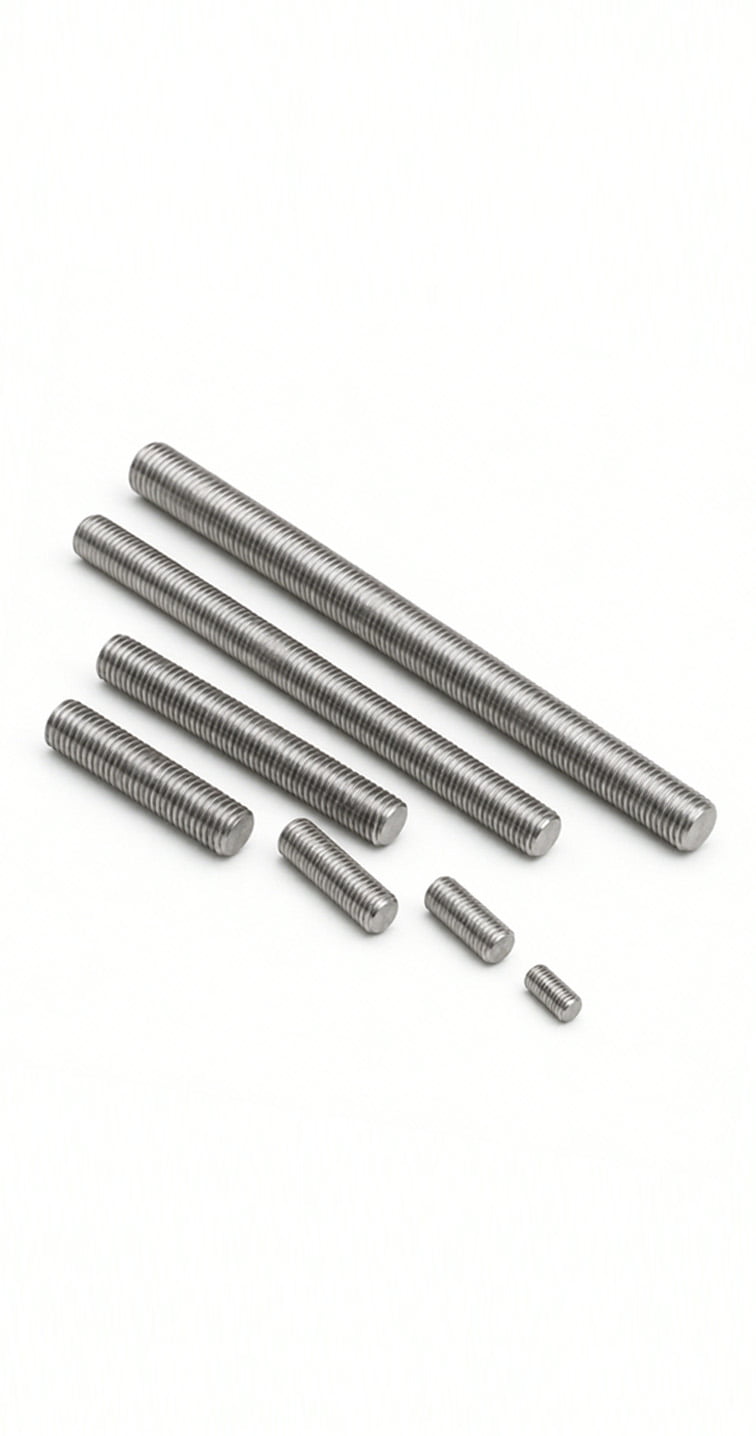
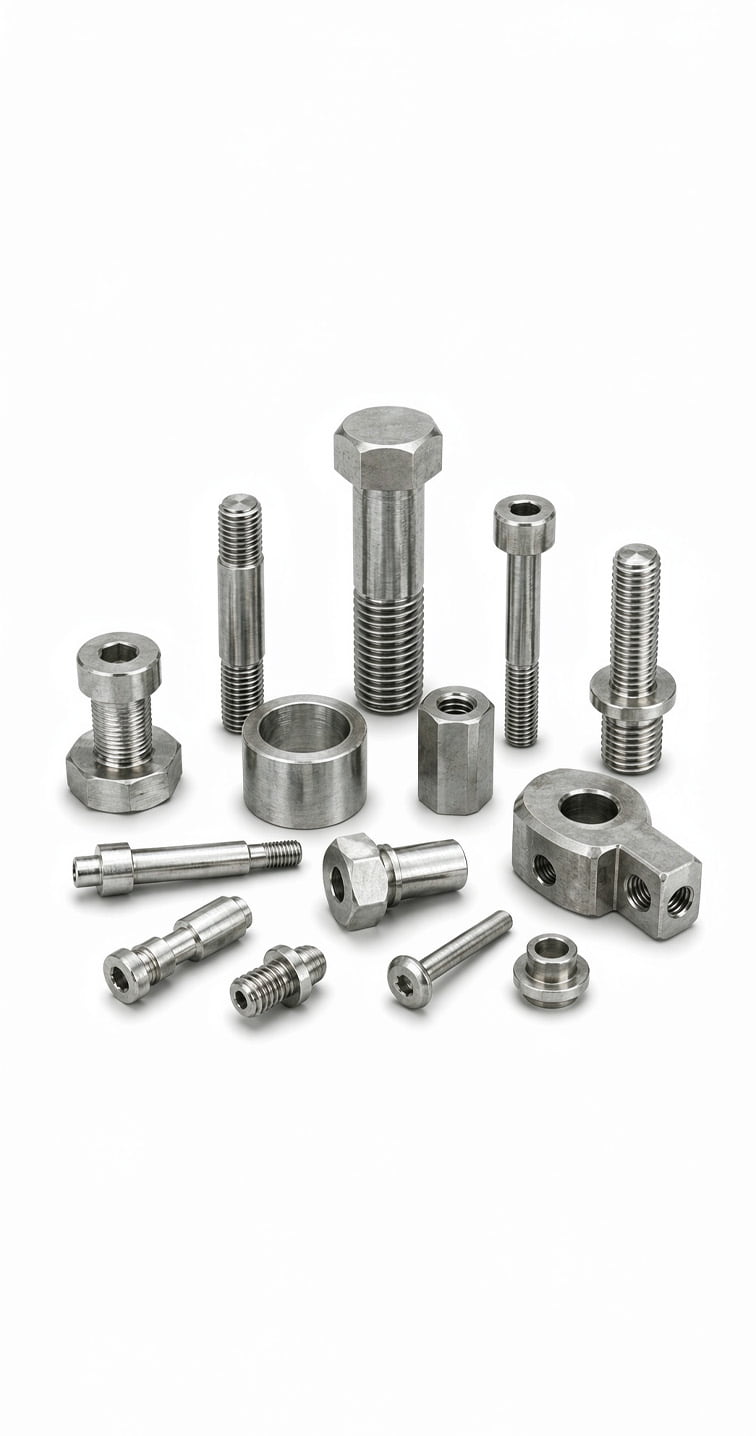
We also manufacture custom and project-specific fasteners according to drawings, specifications or application requirements.
A controlled six-stage production workflow supports consistent manufacturing from reviewed raw material to finished, identified and export-ready specialty-alloy fasteners.
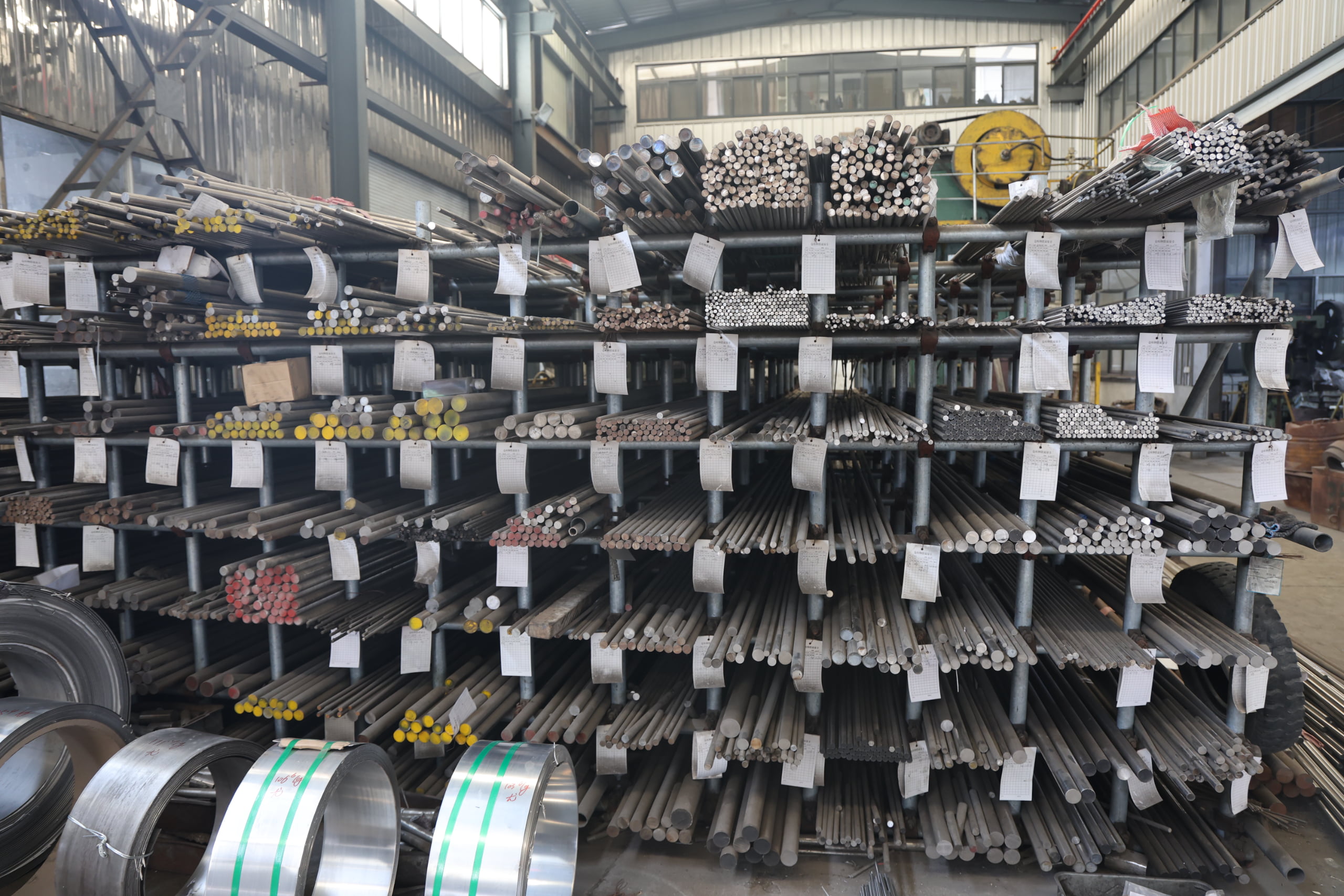
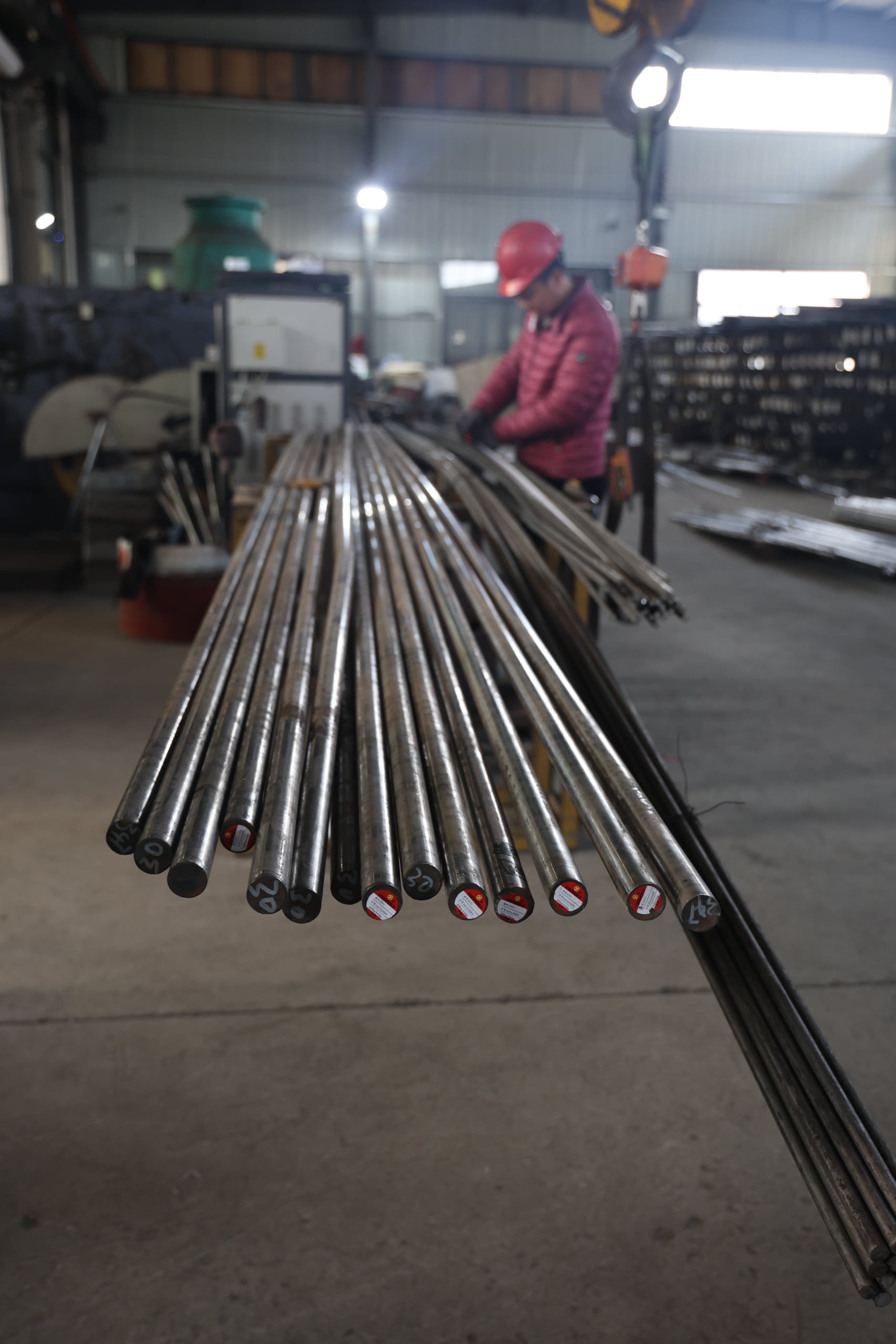
The specified alloy grade, product form, material condition and batch identity are reviewed before cutting. Stock is prepared according to the order and selected manufacturing route.
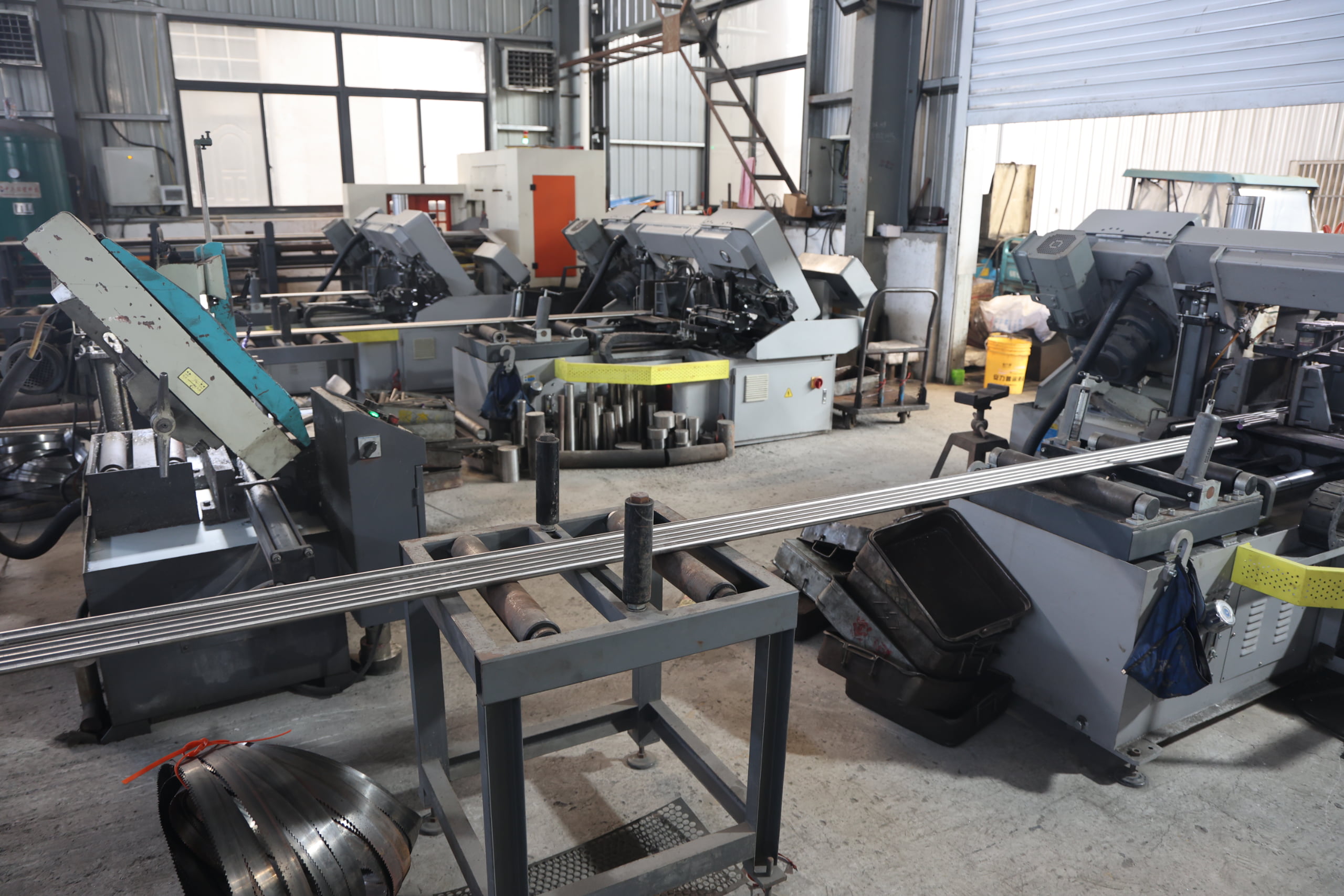
Bars, rods or forgings are cut to the required blank size while maintaining material separation and batch identification.
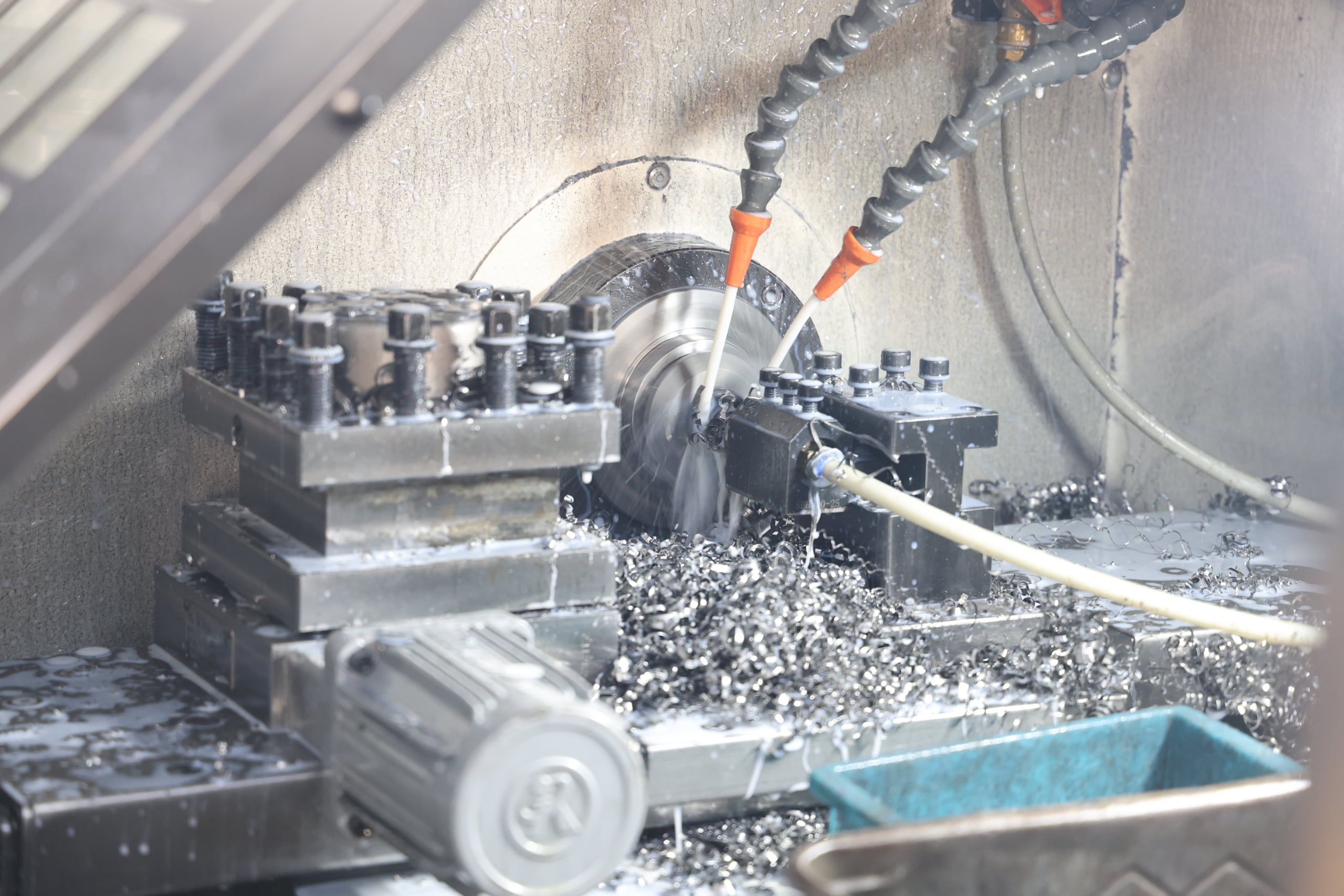
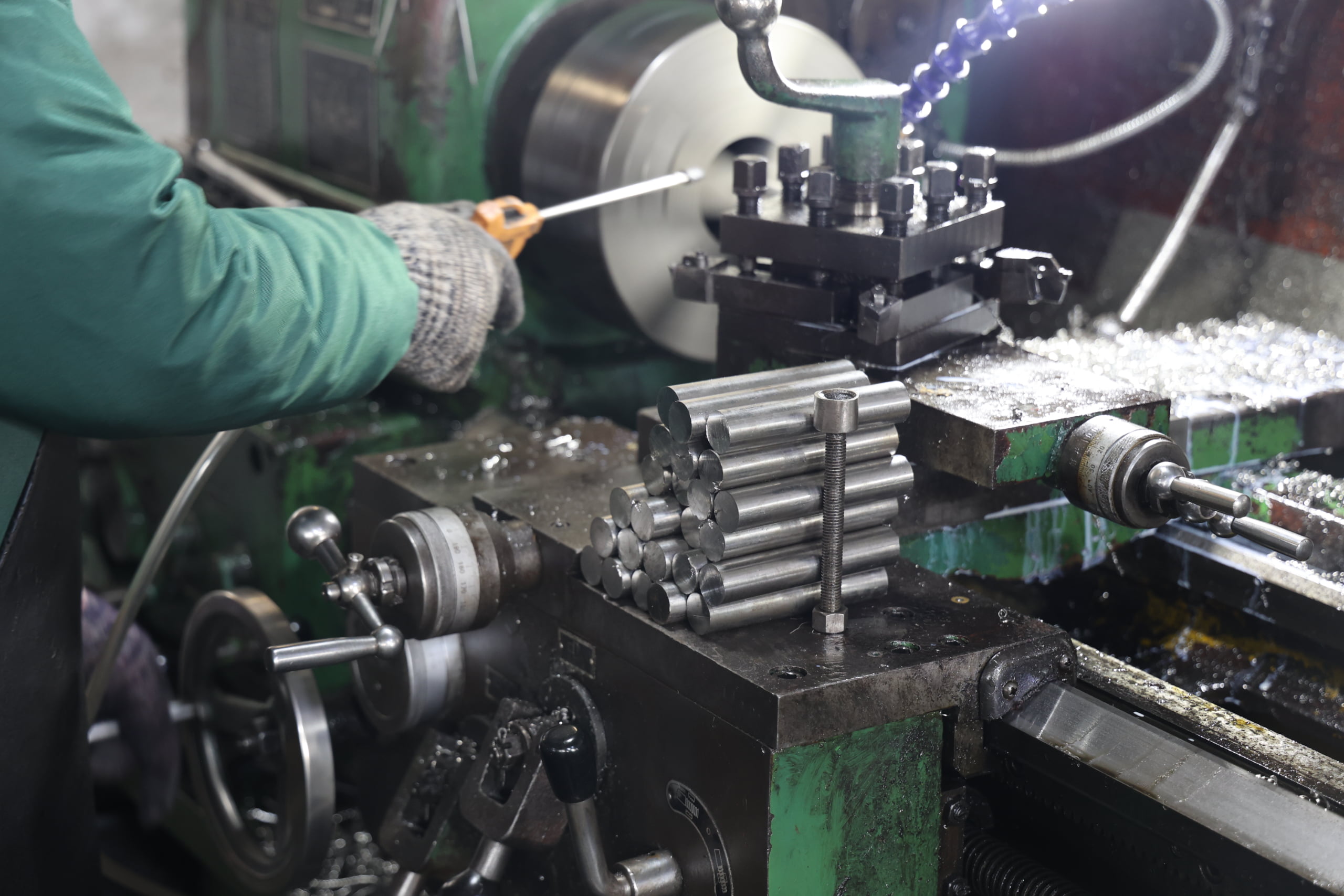
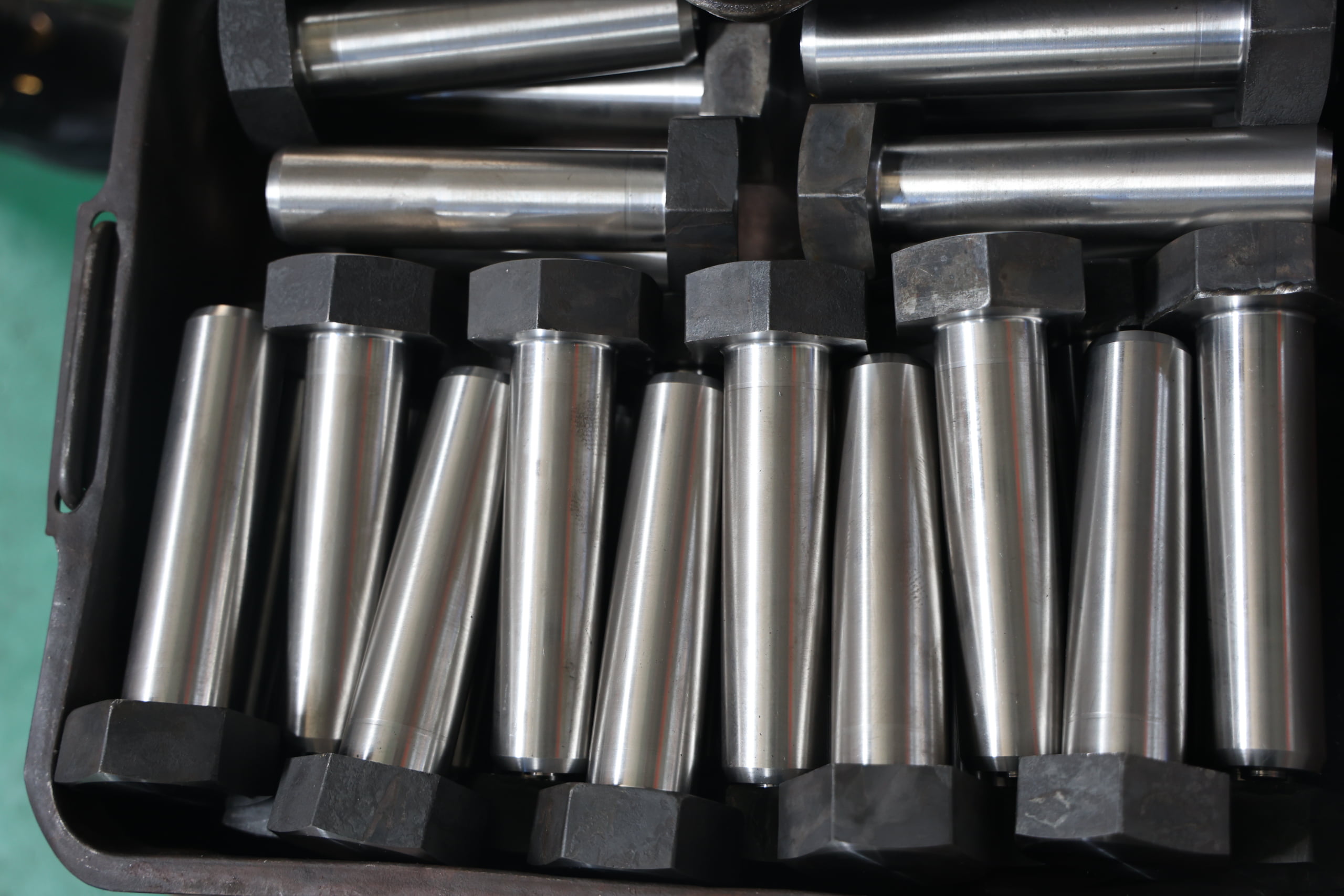
Headed fasteners are forged and machined when appropriate, while complex, low-volume or drawing-based components can be produced by precision CNC machining.
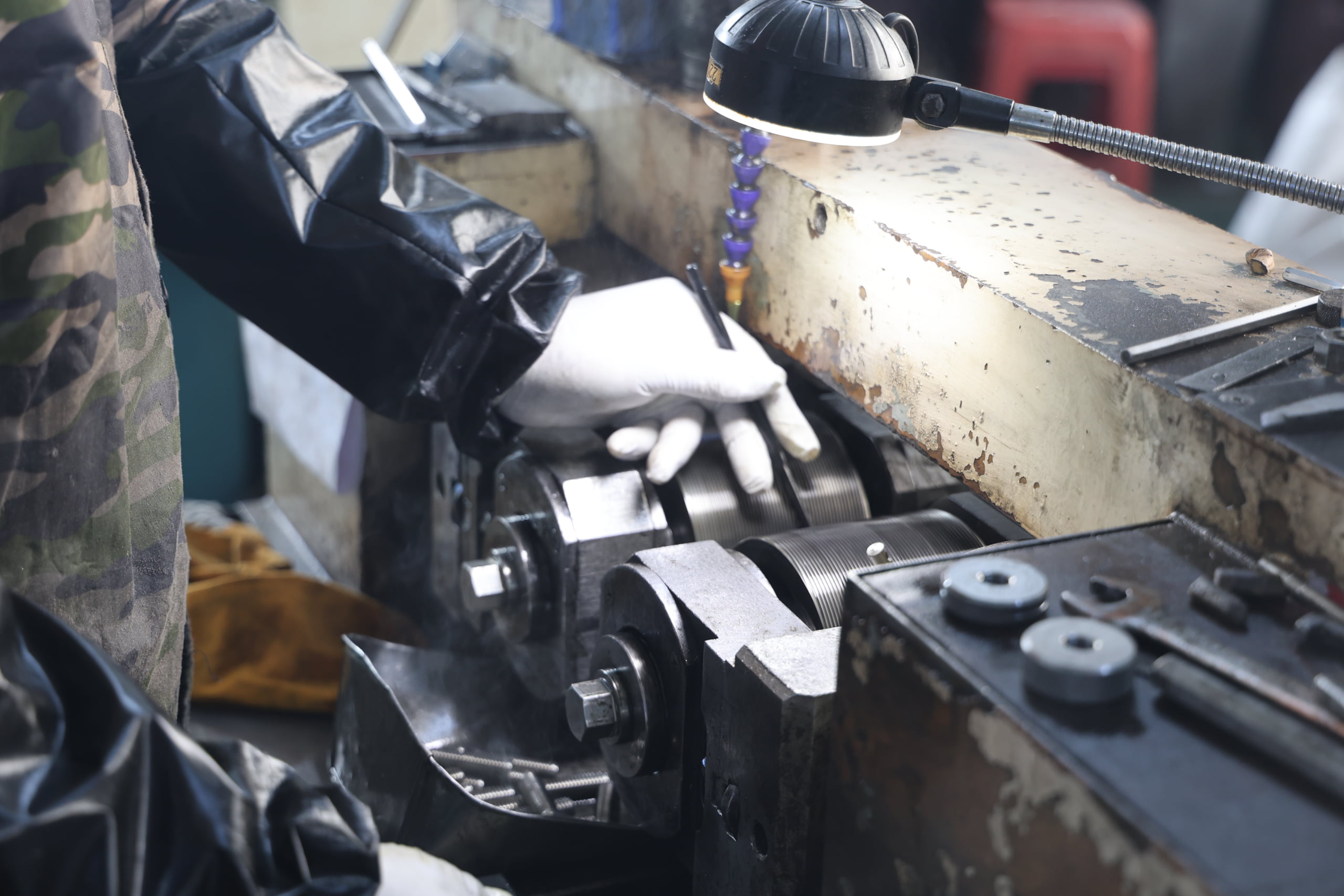
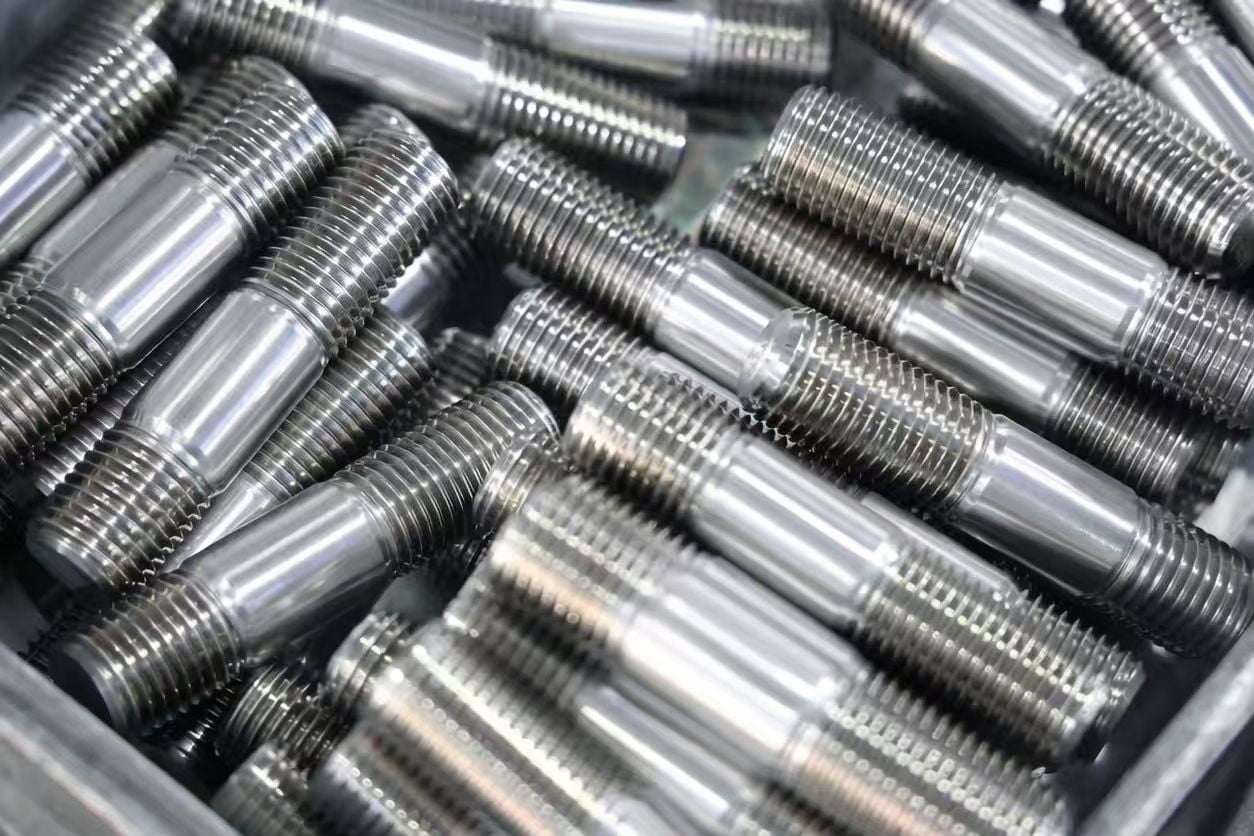
Threads are rolled or cut according to material condition, product geometry, dimensional standard and customer requirements.
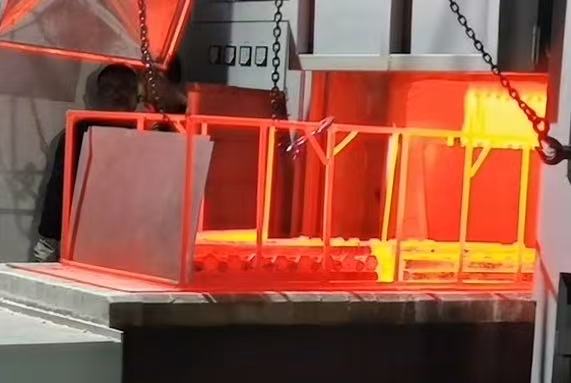
Solution treatment, annealing, age hardening or other thermal processing is applied only when required by the alloy grade, material condition and governing specification.
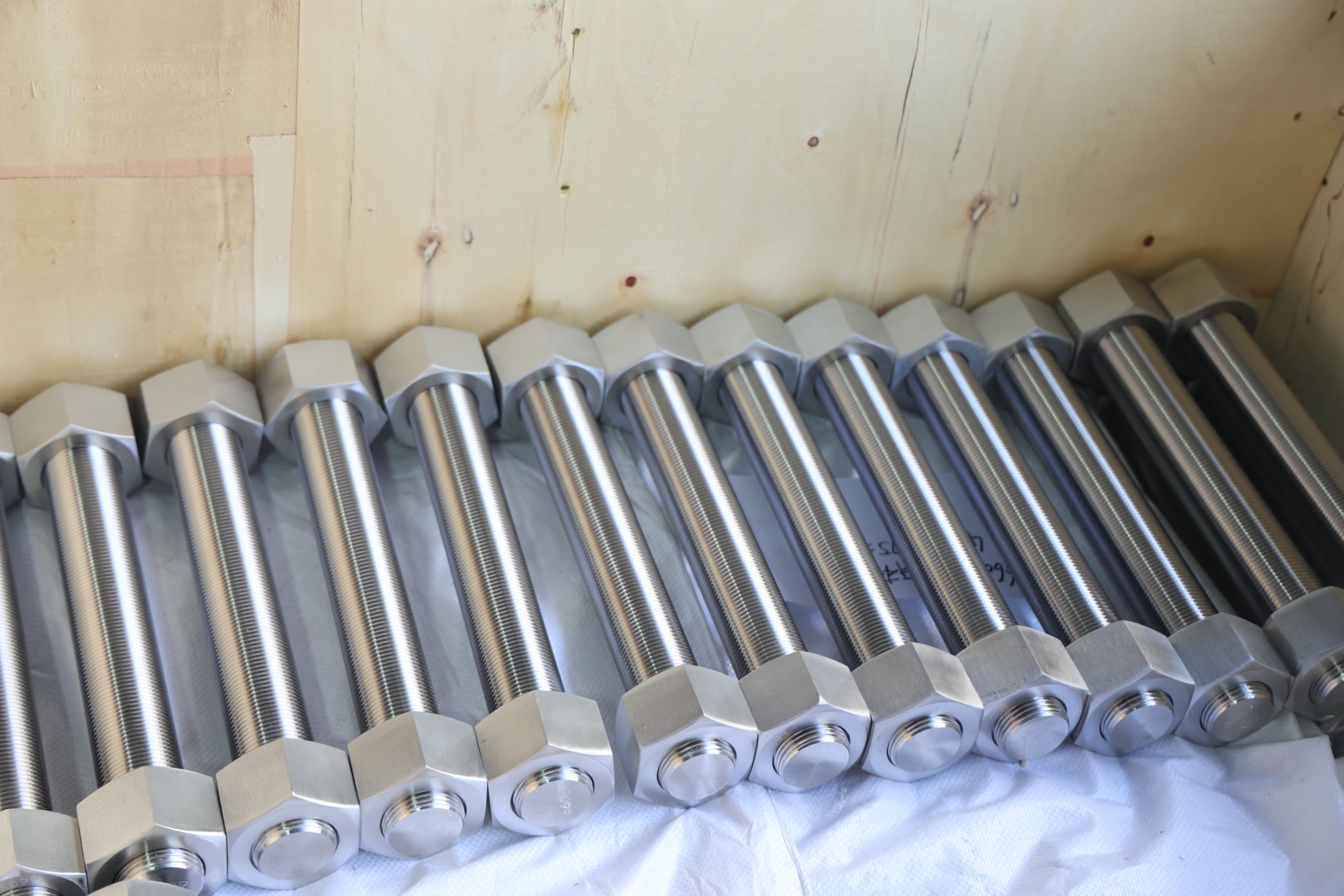
Finished parts are deburred, cleaned and prepared as specified, then identified and packed according to order and traceability requirements.
Inspection and documentation are planned around the purchase specification, customer drawing and intended service. The agreed inspection scope is confirmed according to individual project requirements.
Material grade, heat or lot number and incoming documents are checked against the agreed order requirements before production.
Batch identity is maintained through production, inspection and packing so finished parts can be linked to their source material.
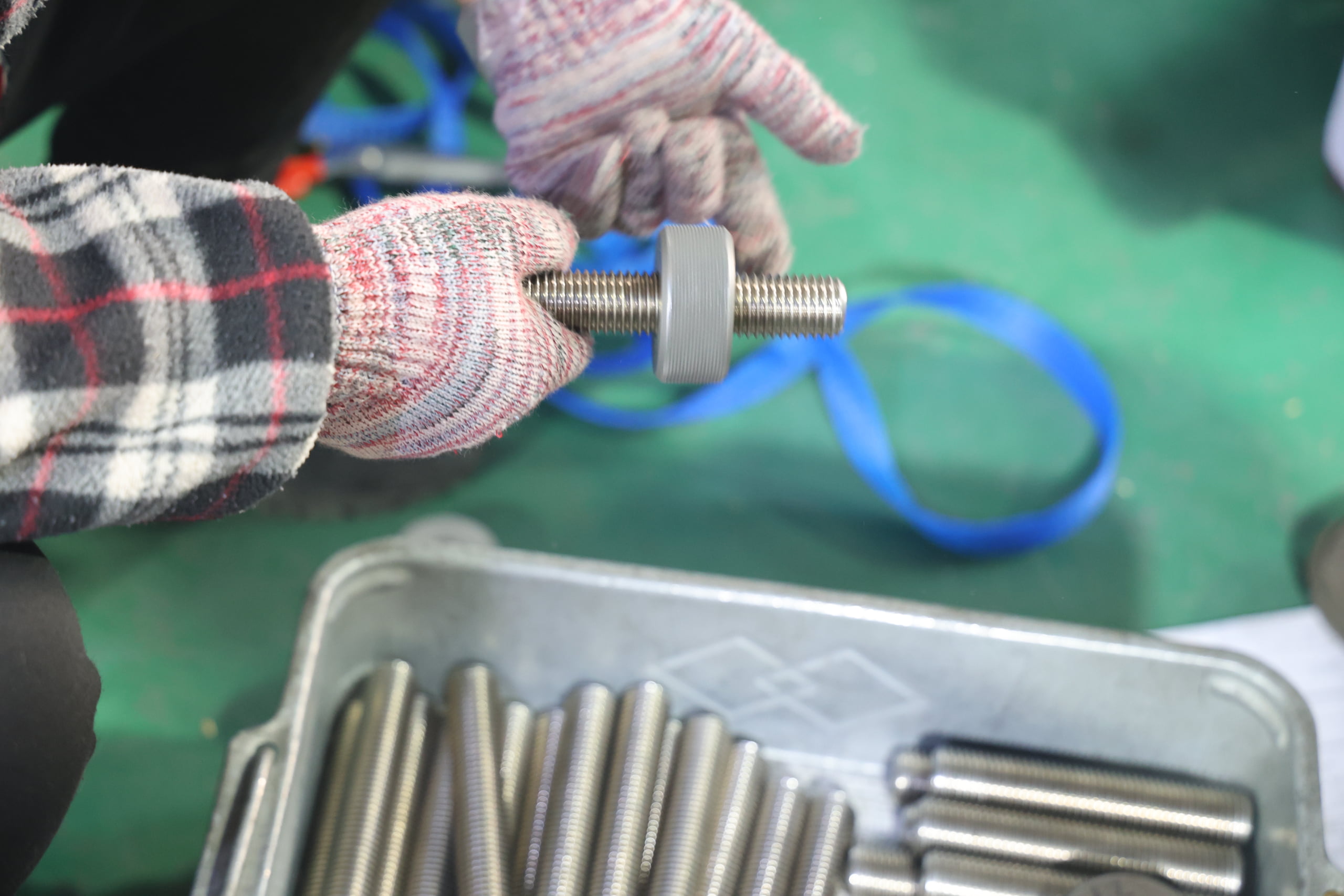
Critical dimensions, tolerances and product geometry are checked against the applicable dimensional standard or customer drawing.
Thread size, pitch and fit are verified using suitable gauges and measuring equipment. Additional profile verification can be arranged when specified.
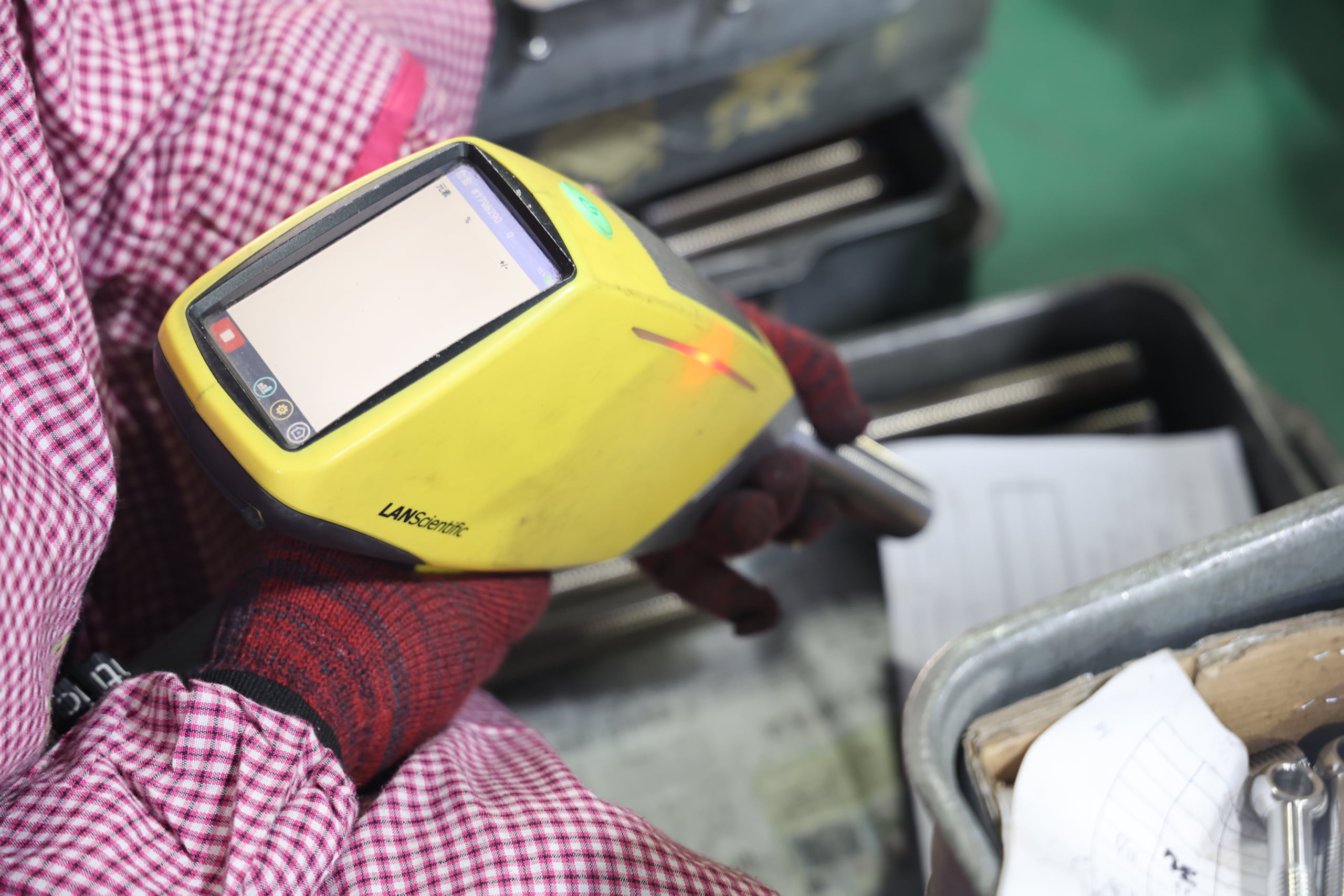
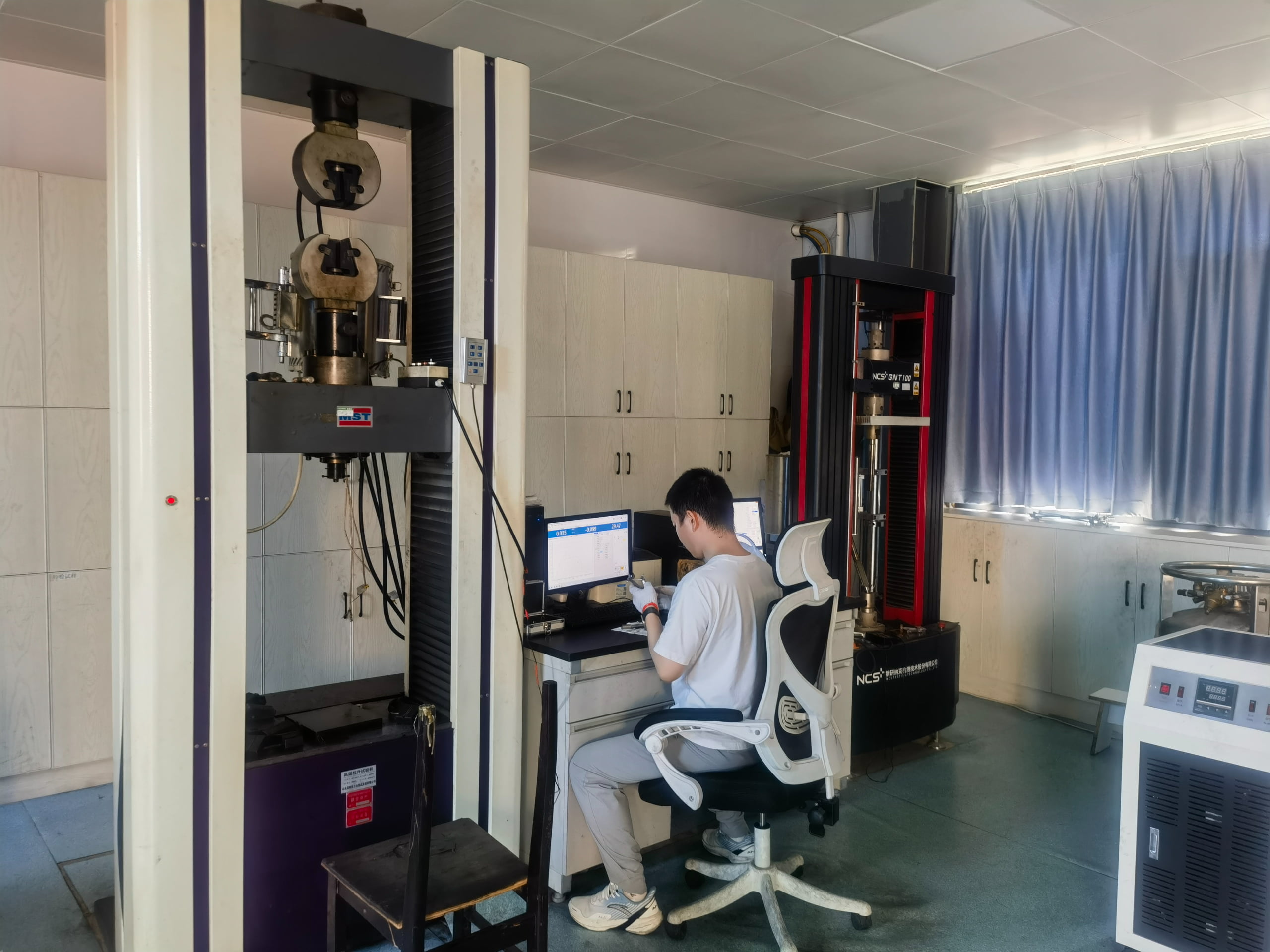
PMI, hardness, tensile or other testing can be performed or arranged when specified, depending on the material, test method and project requirements.
MTC / EN 10204 3.1 documentation, dimensional reports, PMI reports and traceability records can be supplied when specified and applicable.
Inspection methods, sampling plans, acceptance criteria and document requirements should be confirmed before order placement.
Discuss Inspection & Documentation RequirementsOur specialty-alloy fasteners support demanding projects across multiple industries. Final material selection must be based on the actual temperature, corrosion medium, mechanical load, applicable standards and required service life.
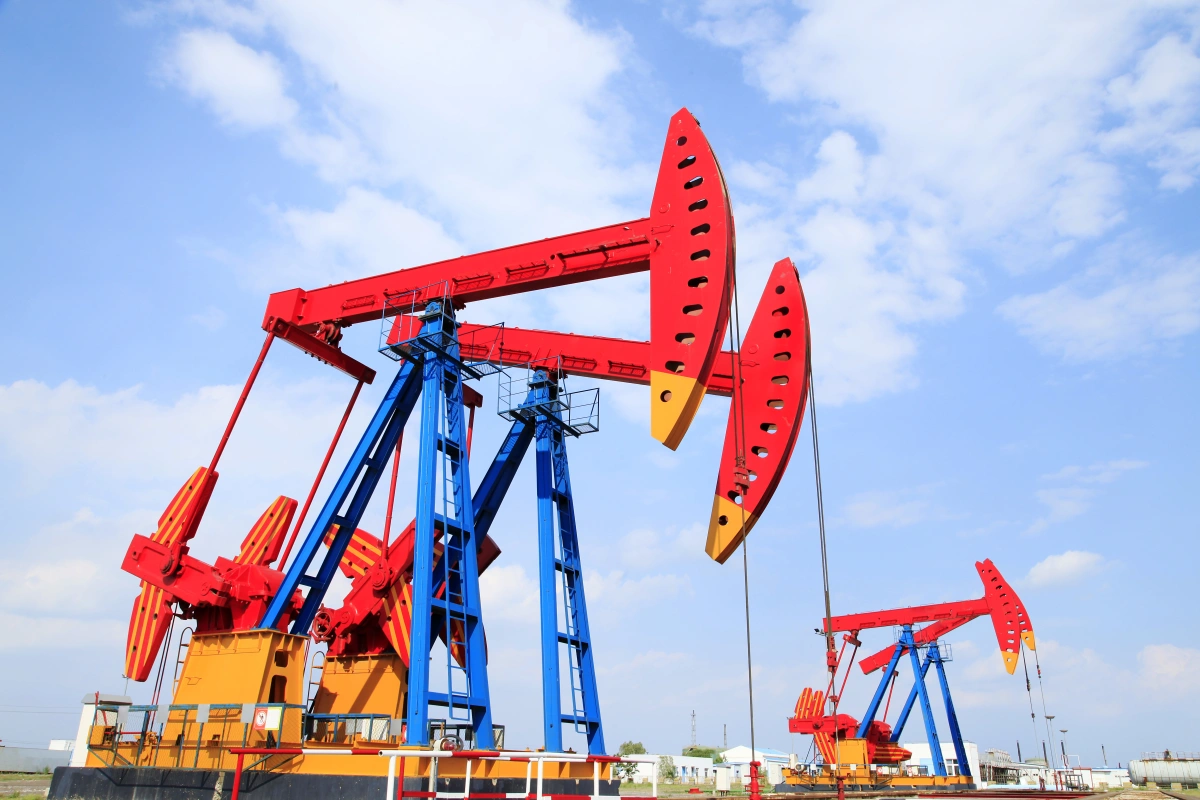
Flange bolting, valves, pressure equipment, piping systems and process units exposed to pressure, temperature or corrosive media.
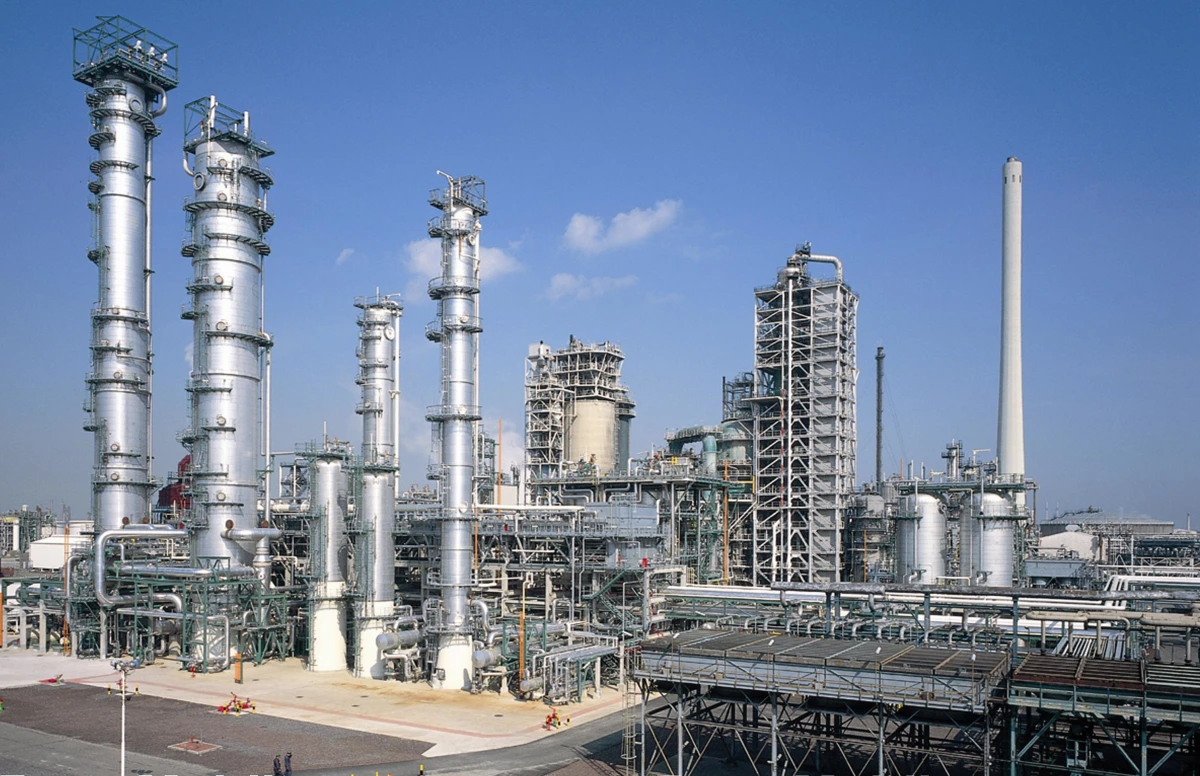
Reactors, heat exchangers, scrubbers, pumps and equipment handling acids, chlorides or other aggressive process media.

Gas and steam turbines, boilers, furnaces, heat-treatment systems and high-temperature mechanical assemblies.
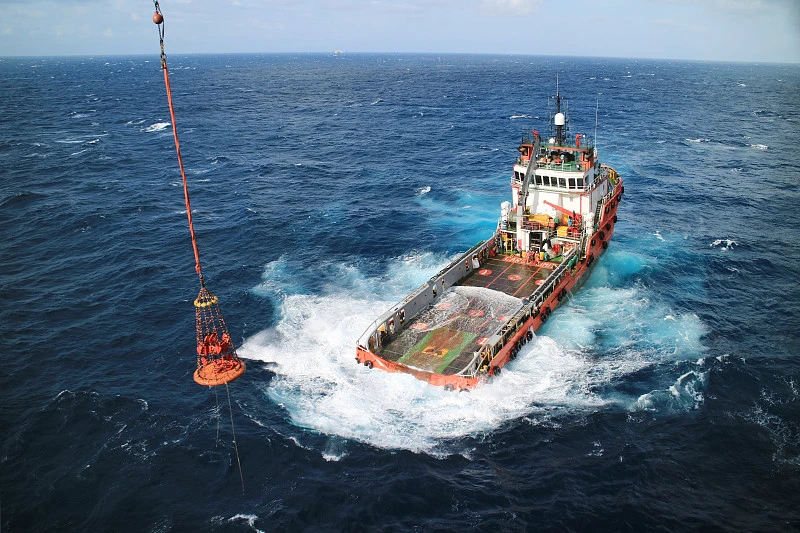
Offshore platforms, seawater systems, marine equipment and desalination installations requiring corrosion-resistant fastening.

Engine, thermal and precision assemblies requiring high strength, temperature capability, low weight or controlled material performance.
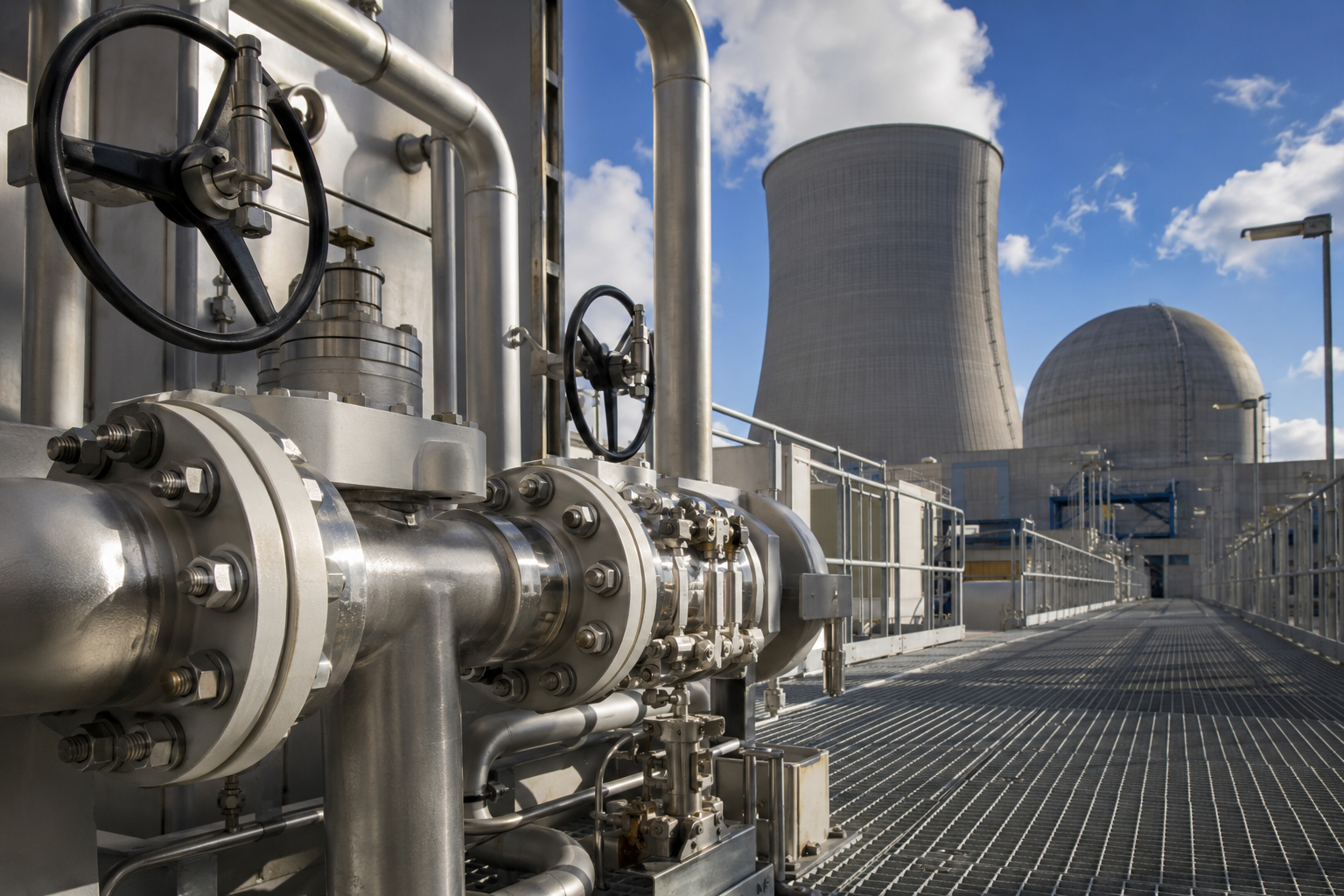
Safety-critical bolting and engineered components requiring controlled materials, documentation and reliable long-term performance.
Not every alloy is suitable for every industry or service condition. Material suitability should be confirmed against the governing specification and actual operating environment.
Discuss Your ApplicationCommon questions about specialty-alloy fasteners, custom manufacturing, standards, inspection, documentation and procurement.
Send us your Duplex Stainless Steel fastener specifications, standards or drawings. Our engineering team will review your requirements and provide a detailed project-specific quotation.
Fill out the form below or email us directly with your drawings.